The hidden cost of poor acoustics
MIGHTY TEST Every design decision has a cost, whether it’s visible or not. Architects and designers routinely weigh material selection, environmental impact, aesthetics, and functionality against tight budgets and even tighter timelines. But when acoustics are overlooked or delayed, the consequences tend to reveal themselves after the fact, when the cost of adding acoustics becomes unavoidable.
The consequences of noise
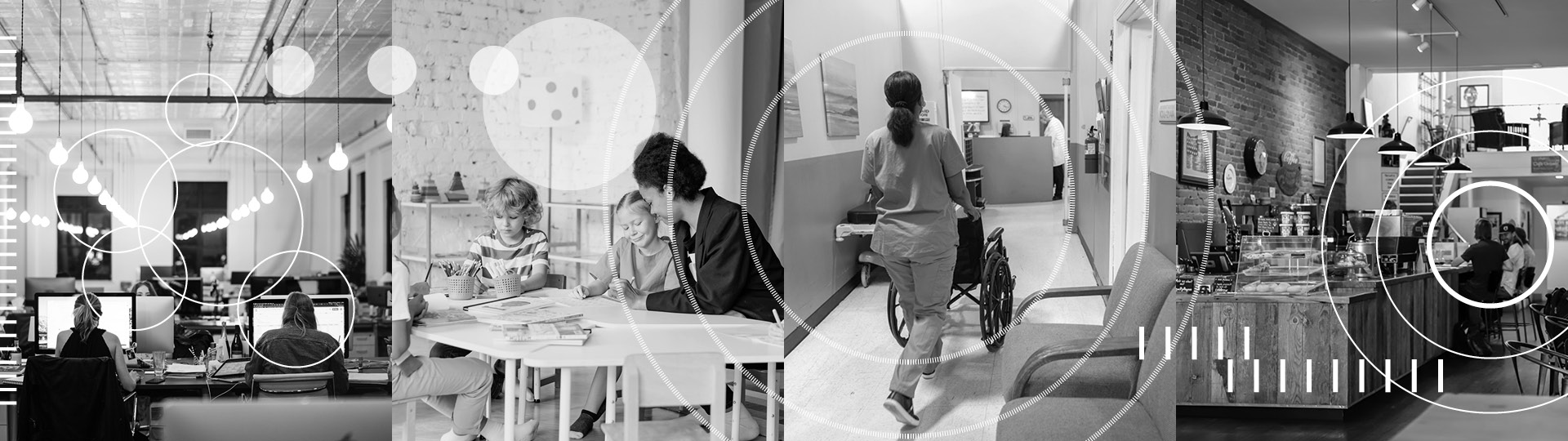
Poor acoustics also carry a cost that impacts the purpose and performance of a space. In offices, too much noise reduces productivity, increases cognitive load, and leads to burnout. In education, students miss critical information and teachers strain to maintain attention. In healthcare, it disrupts sleep, increases staff errors, and slows recovery. Even in hospitality and retail environments where the experience is part of the product, excess noise degrades brands and deters future visits. These aren’t abstract concerns, but measurable impacts on business outcomes, wellbeing, and long-term effectiveness.
Why early integration matters
Acoustic planning is most effective and most economical when it happens early. This allows acoustic strategy to be integrated alongside other systems, materials, and the overall design intent. It creates more freedom to align function with form and leads to more coherent solutions. The space benefits from intentional acoustic zoning, material synergy, and a sense of completeness that reactive fixes can’t always replicate.
A few early integration examples show how acoustics can help define the space. At Molson Coors, a custom ceiling cloud captures the spirit of the iconic beverage company. For Farmer Mac’s new office, acoustic elements support both acoustics and storytelling with custom prints referencing agricultural heritage. At Eve at IQHQ’s RaDD Edge event center, acoustics were treated as a central design feature rather than an afterthought.
Together, these projects show that acoustics can integrate seamlessly into any environment, and that custom solutions make it possible to translate even the most ambitious design ideas into built form.
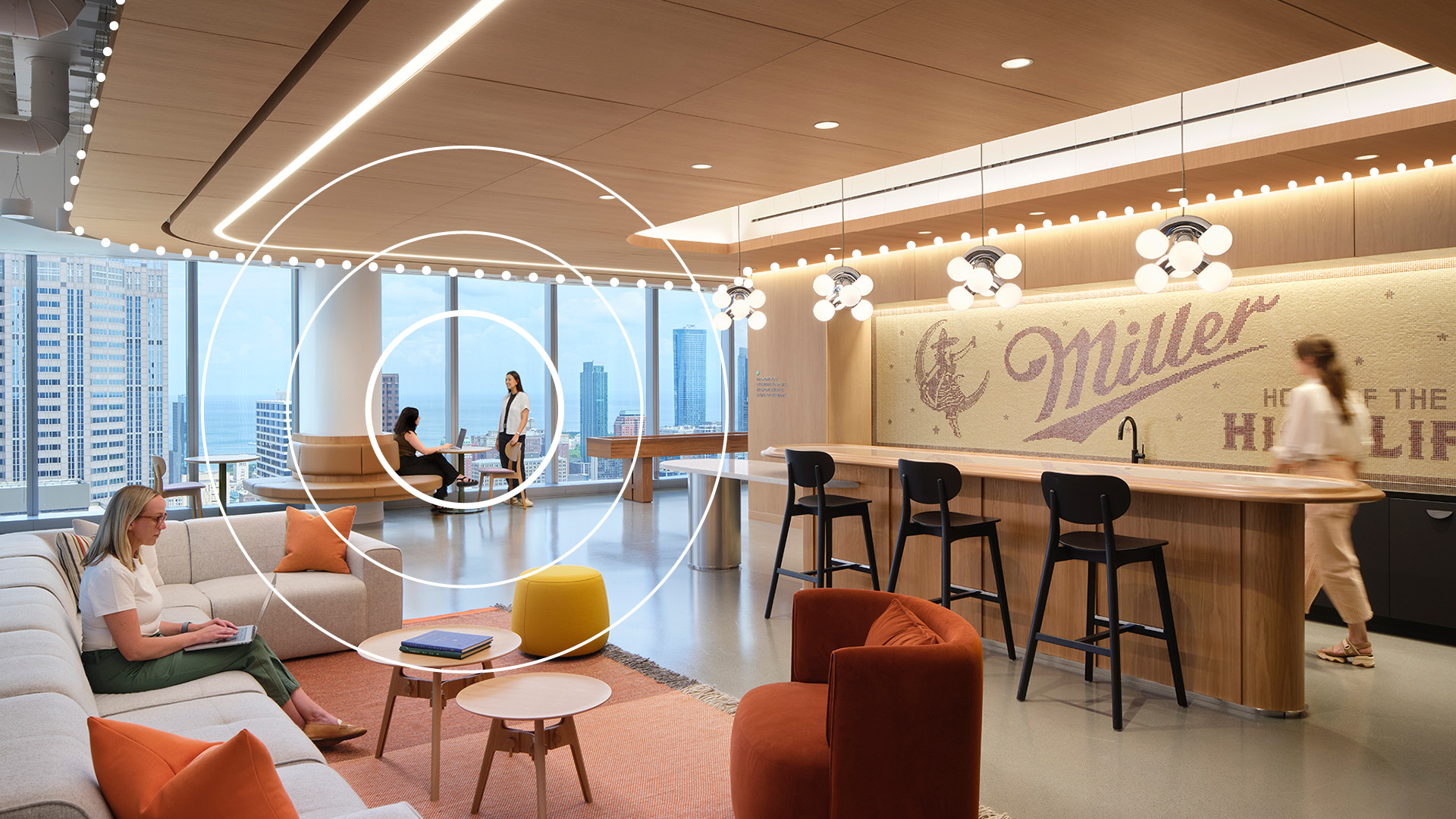
Custom Cover, Concealed Ceiling Panel and Cloud | Custom Print | WoodGrain Collection
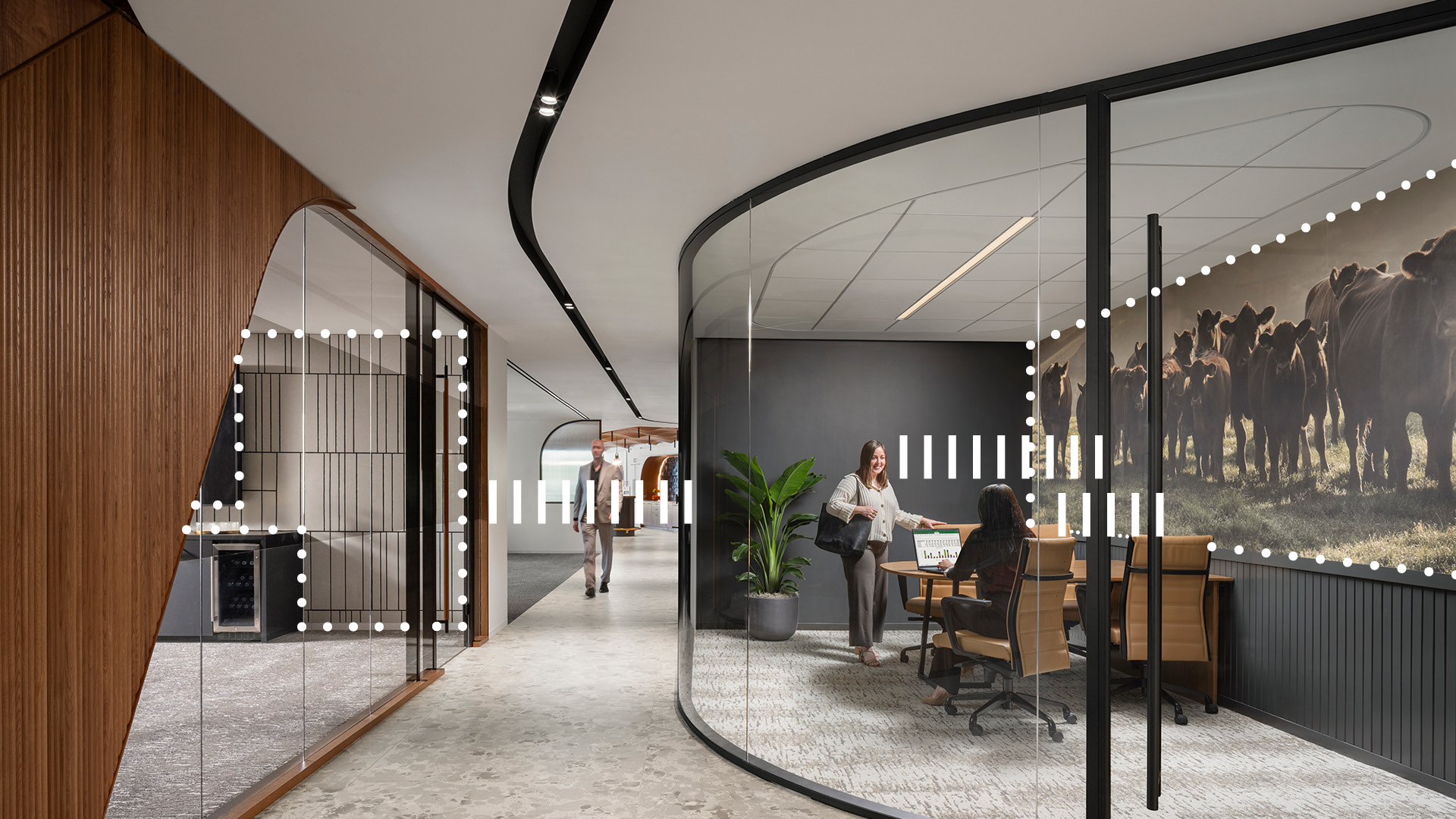
Custom Printed Solid Wall Panels | Premier Collection; Fracture Two-Tone, Barcode Wall Panels | Almond, Piano Black | Premier Collection
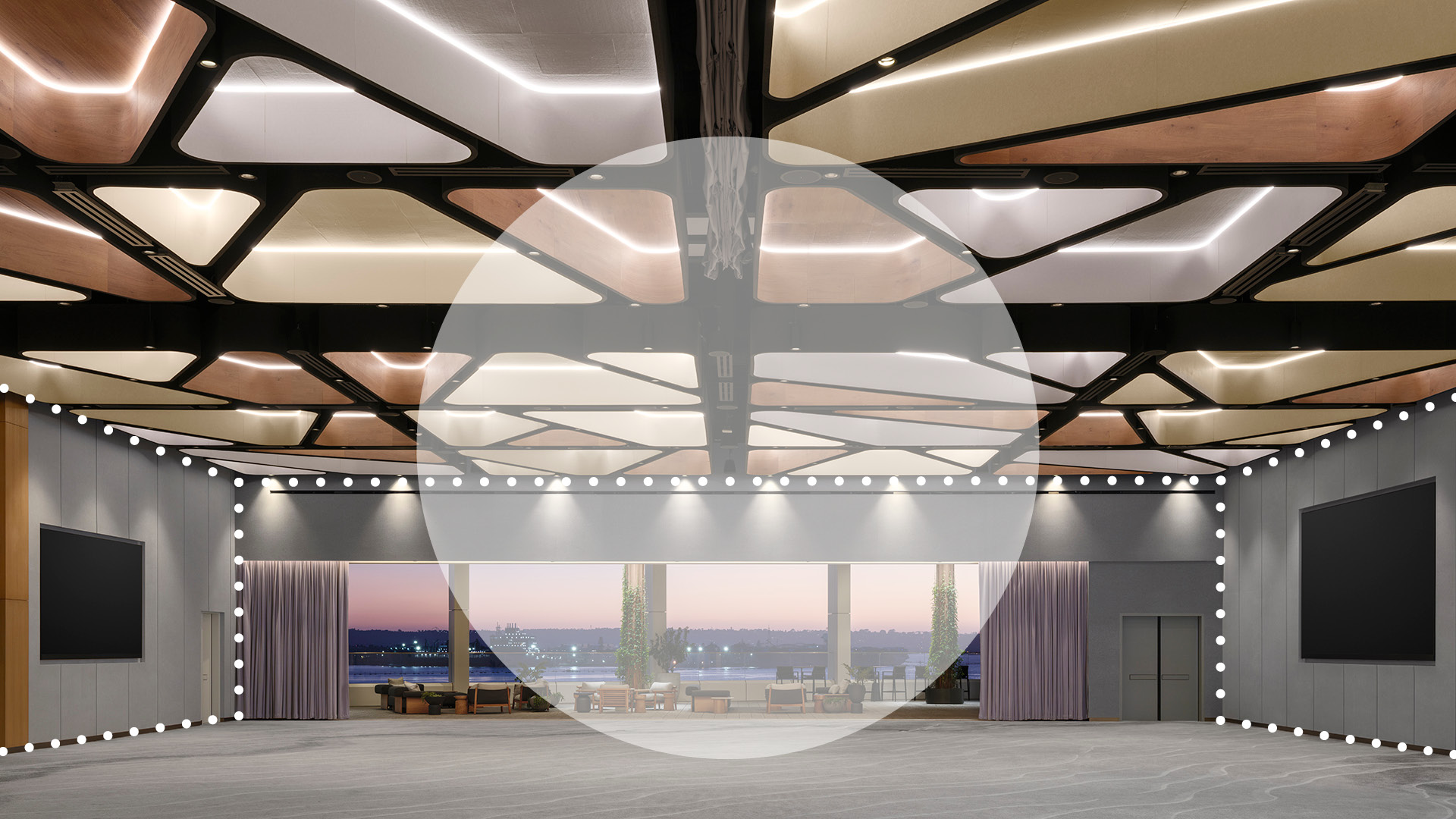
Custom Skipping Stones Ceiling Clouds | Custom Fracture Wall Panels
The financial impact of retrofitting
The most immediate cost of poor acoustics shows up in rework. Retrofitting sound treatments into a completed space is expensive. Labor must be scheduled around occupancy. Product options are limited by existing infrastructure. Even with retrofit-friendly product options, visual design may still be compromised.
Luckily, we have a handful of products designed to handle these challenges. Pan Ceiling Clouds install directly to the ceiling without the need for T-grids, reducing coordination hurdles when acoustics are added after construction. Their range of sizes, widths, lengths, and heights gives designers flexibility to improve sound performance without fully reworking the ceiling layout.
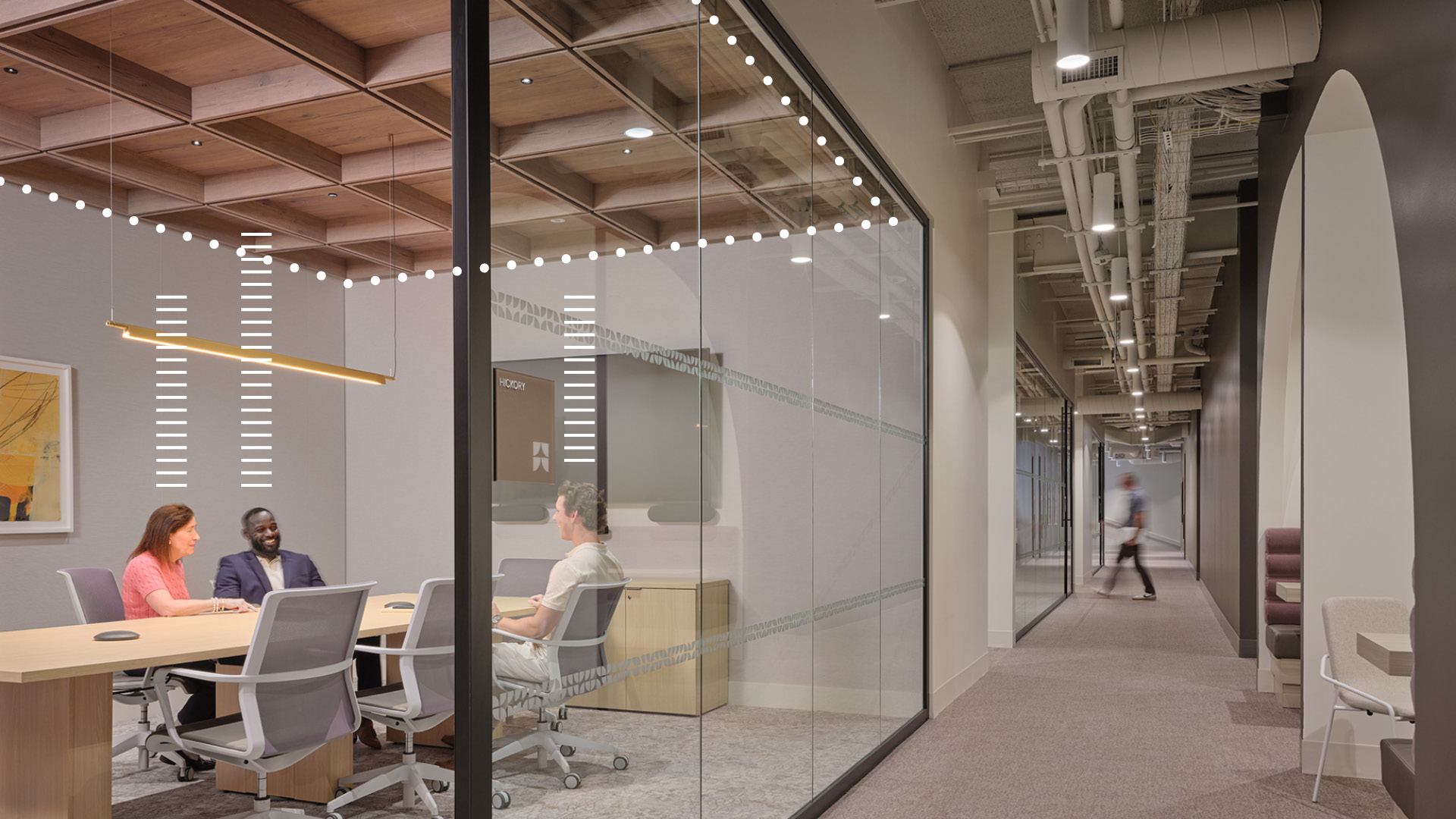
On the flip side, when a space already has T-grids in place, our ceiling frames offer a streamlined retrofit solution. By installing directly into the existing grid, they reduce the need for ceiling modifications, helping control labor costs and shorten installation timelines compared to more extensive upgrades.
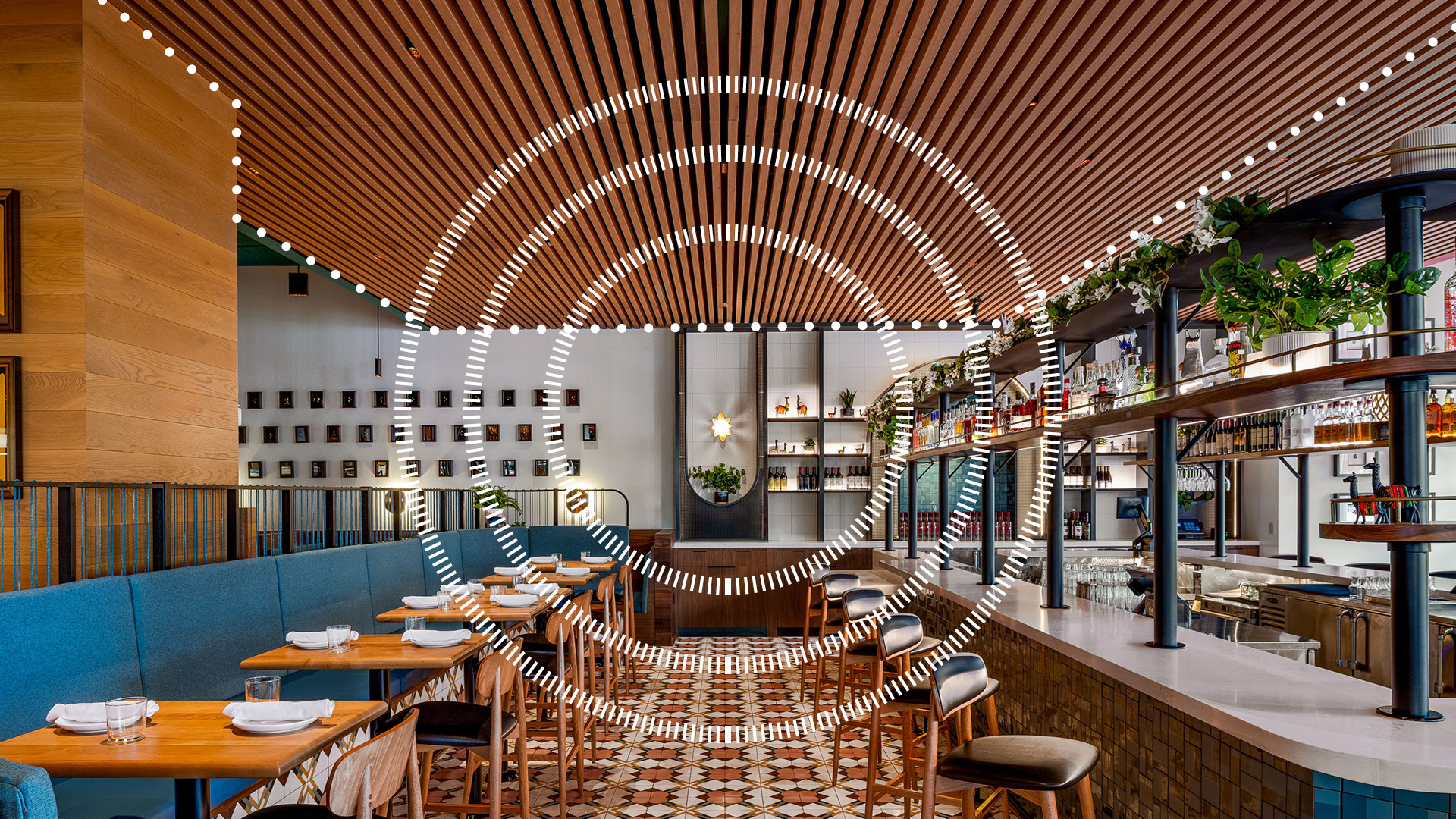
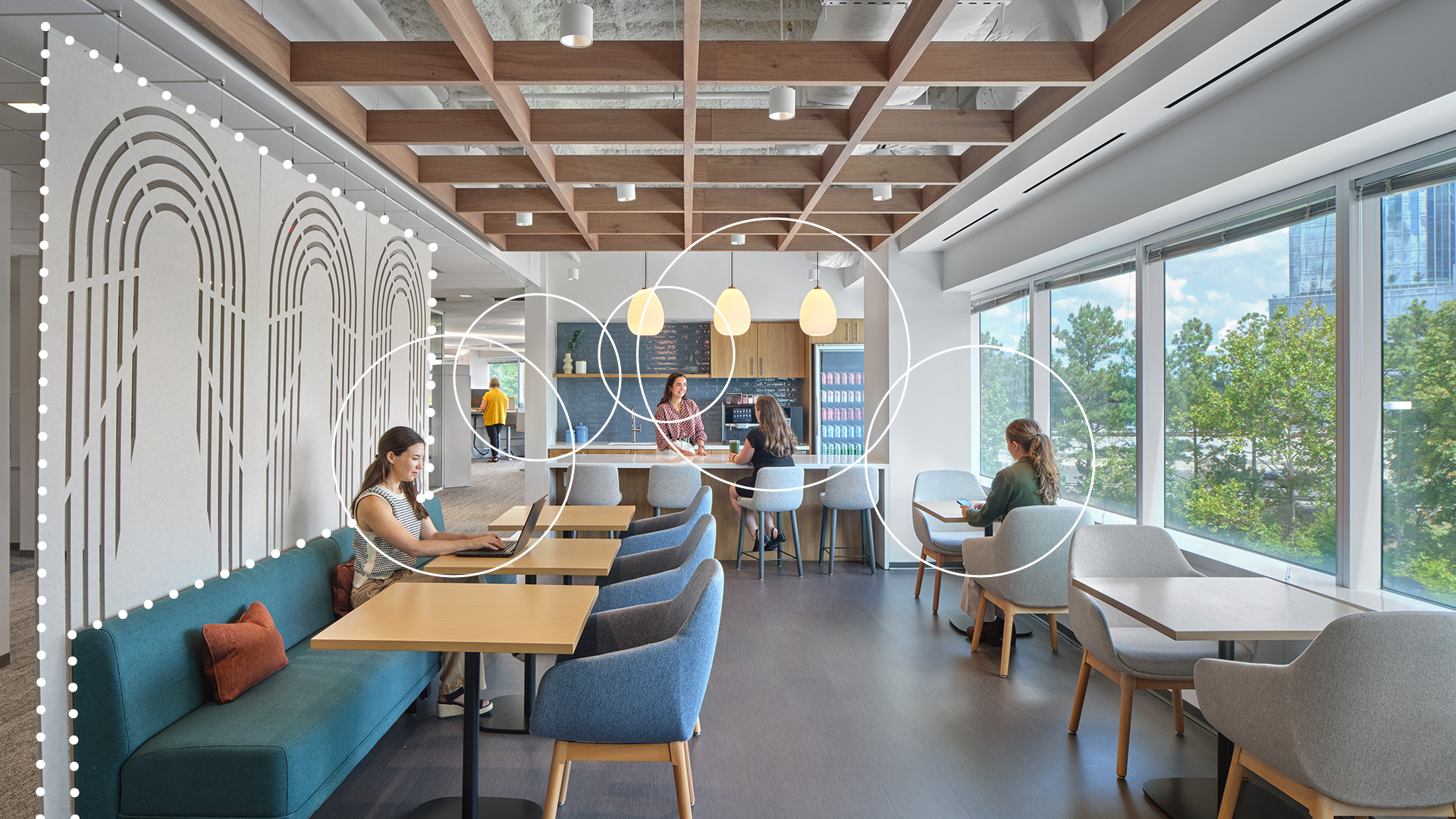
Wall screens also offer a practical retrofit solution when ceiling access is limited. Installed directly onto the ceiling or floor, they improve sound absorption without requiring demolition or major construction changes. Because they double as architectural features, Wall Screens help address acoustic issues while maintaining, and in some cases enhancing, the visual intent of the space.
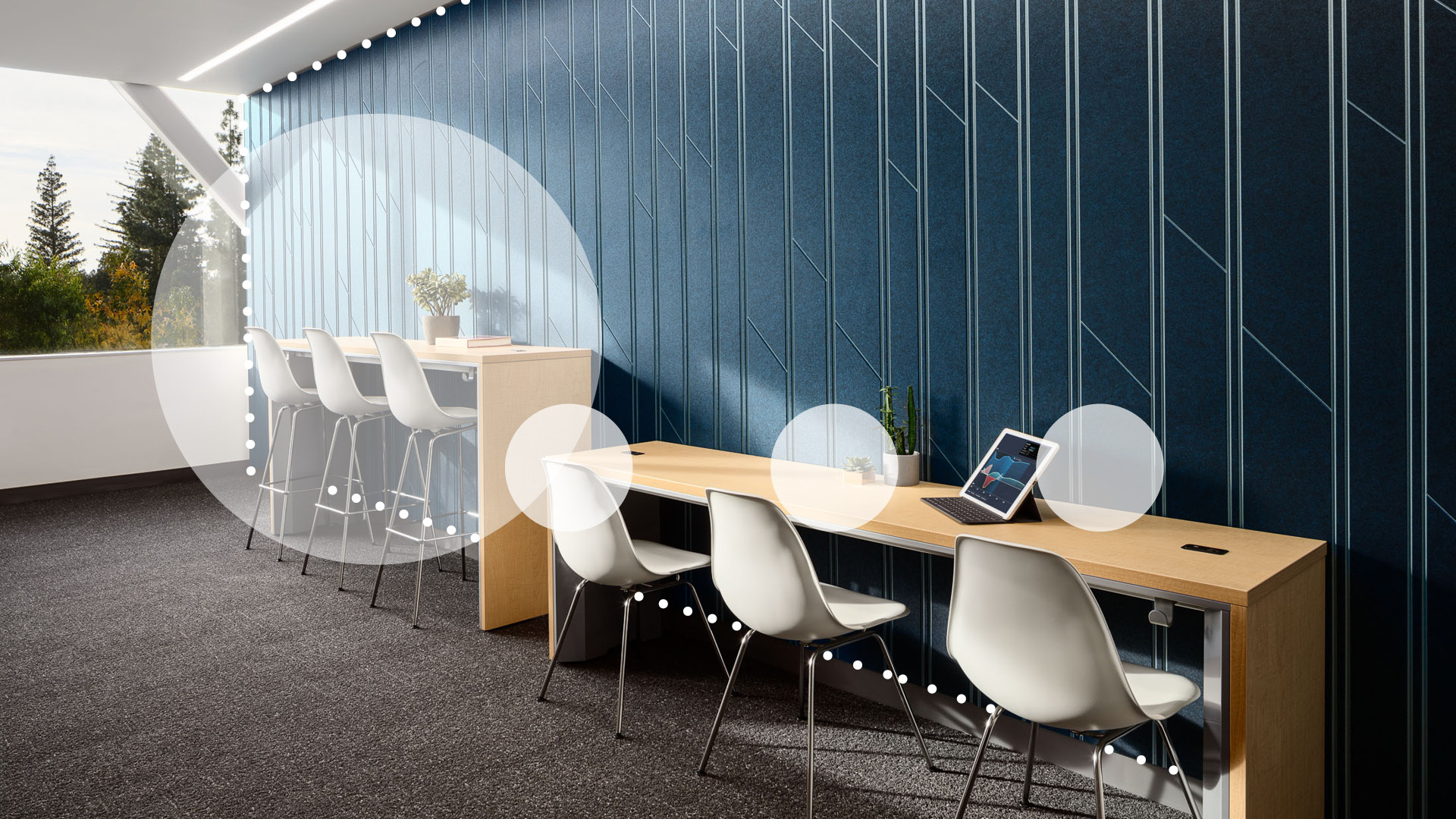
Lastly, wall panels improve sound absorption while also helping conceal wall imperfections. They can be easily installed with some adhesive, and their variety of sizes, finishes, and textures lets designers create a polished, intentional look that enhances the space both acoustically and visually with minimal disruption.
Acoustics as an asset
The best spaces support not only how people use them but how they feel within them. Sound shapes that experience in invisible but undeniable ways. Overlooking acoustics leads to higher long-term costs, diminished functionality, and missed opportunities for creative expression.
By bringing acoustics into the conversation from the start, architects and designers can deliver smarter, more resilient spaces that meet the needs of users from day one.